
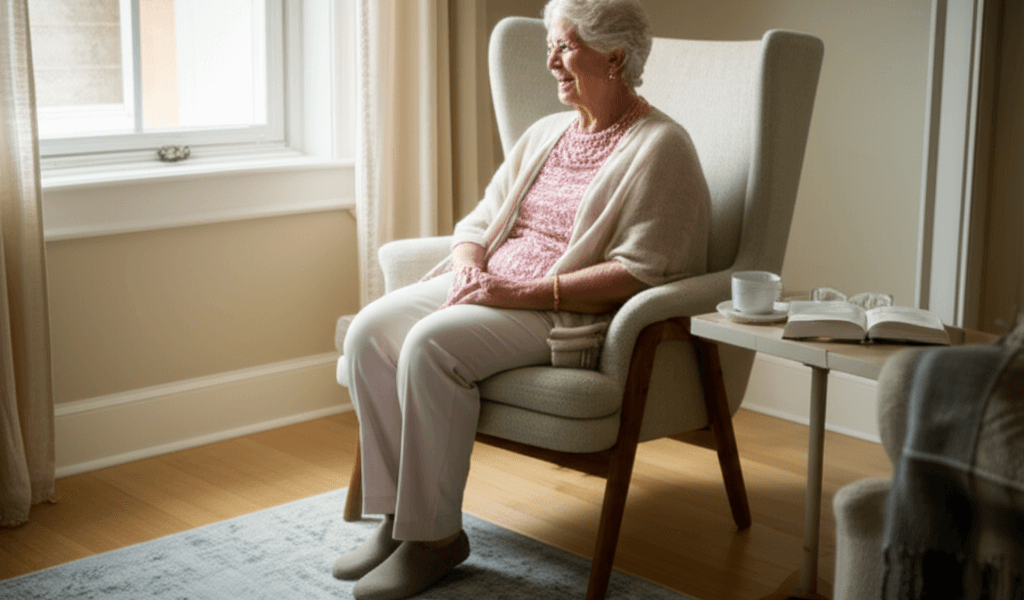

Making a home safe, cozy, and stylish for aging adults goes beyond simple checklists. It demands clever planning, daily comfort, and an eye for charming details. A space that makes moving around easy and lowers risks can still feel warm, unique, and lively—not like a hospital room. Readers curious about keeping health front and center without losing their home’s vibe and style will gain fresh ideas. This way suits anyone wanting to mix safety with personal style and comfort, and it might just flip the way home design feels. Dive in to uncover secrets that turn handy safety into a welcoming hug.
Whether you are helping a parent, planning for your own needs, or advising clients, the right choices bring real benefits. You will find examples, quick wins, and longer term projects that work across budgets. These ideas focus on durability, ease of use, and timeless style so that changes feel natural and last for years.
Making entryways and circulation safer and more comfortable
Entrances and hallways are common sites for slips and trips. Small changes can cut risk and make daily movement smoother. Start with a clear path free of rugs that bunch up and clutter that forces detours. Use contrasts in color or texture to define steps and thresholds without creating a harsh look.
- Install a sturdy handrail on both sides of stairways where possible. Choose finishes that complement your interior.
- Consider a low profile threshold or beveled ramp at door entries. These reduce tripping hazards and help with wheeled mobility if that becomes needed later.
- Widen narrow hallways when remodeling to allow for a walker or wheelchair and to make carrying items easier.
Lighting plays a major role in safe circulation. Use layered lighting so that entries are bright at night but comfortable during the day. Motion activated lights along hallways add convenience and reduce the chance of fumbling for switches.
Bathroom changes that improve safety and style
Bathrooms require attention because they combine water with hard surfaces. A few strategic upgrades reduce falls and increase comfort while retaining a refined look.
Walk in shower and seating options
A walk in shower with a low threshold makes entering easier than traditional tubs. Include a built in or fold down seat finished with a water resistant surface. For visual cohesion, choose tile and hardware that match the rest of the bathroom tone so the space feels unified rather than clinical.
Toilet height and grab bars
Raise toilet height to a comfort level that reduces strain on knees and hips. Supportive grab bars placed near the toilet and inside the shower provide steadying points. Select bars with a design that complements cabinet hardware so they appear as part of the room styling.
Kitchen updates that blend ease use and good looks
The kitchen can remain both functional and attractive with layout and hardware adjustments. Think about the tasks that occur most often and make those areas accessible without requiring a lot of bending or reaching.
- Install pull out shelves and lazy susans in lower cabinets to reduce deep reaching. These products come in wood and metal finishes that match modern cabinetry.
- Place frequently used items between waist and shoulder height to cut the need for stooping.
- Choose lever style faucet handles for single handed use and consider a pull down spray that is easy to grip.
Lighting under cabinets improves visibility for food prep and creates a warm ambience. Non slip flooring in the kitchen reduces falls while offering style options ranging from wood look planks to ceramic tile.
Flooring and lighting choices that reduce falls
Choosing the right floor and lighting layout goes a long way to prevent accidents. Hard surfaces should be even and finished with a low slip coefficient. If rugs are used, secure them with non slip pads and low profile edges.
- Matte finishes reduce glare that can hide depth cues for someone with vision changes.
- Carpet options with low pile provide softness without trip risk and can help reduce noise.
- Use layered lighting in main rooms with a mix of ambient ceiling lights and task lamps. Adjustable lamps allow control for close work like reading or hobbies.
Consistent illumination across floors and stairwells prevents shadows that mask steps. Night lights along common routes reduce disorientation during late evening movement.
Furniture and layout tips for relaxed living
Seating should be stable with a seat height that makes standing easier. Choose chairs with arms and firm cushions that offer support when rising. Avoid overly soft sofas that sink and make standing difficult.
- Arrange furniture to create clear pathways and to keep commonly used items within reach.
- Select tables and shelves with rounded edges to reduce injury risk in case of a stumble.
- Mix storage solutions at different heights to store heavy items lower for safe lifting while keeping lighter items handy at mid level.
Style can be maintained with coordinated fabrics and finishes. For example, pick neutral upholstery that resists stains and add color with removable pillows and throws for seasonal updates. Choose fabrics that are easy to clean and still look inviting.
Technology and simple systems that support daily living
Technology can be discreet and powerful when it focuses on core needs. Simple sensors, easy to use controls, and reliable communication tools support safer independent living without creating complexity.
Monitoring and alerts
Consider motion sensors and fall alert systems that connect to a monitoring service or a family member. Choose products with a clear on off control and visible indicators for battery life. Some devices offer two way communication for quick check ins while others send alerts only when an event occurs.
Simple controls and voice use
Single button controls for lights and thermostats reduce confusion. Voice enabled systems can help with basic tasks like setting reminders or turning lights on with a spoken command. Train users on a short set of voice commands and label physical controls with large type to help those with limited vision.
Exterior and outdoor safety with curb appeal
Outdoor areas deserve attention because trips and slips often happen outside. Level walkways, handrails on steps, and good porch lighting reduce falls. Use non slip finishes on steps and ramps and keep pathways free of debris and overgrown plants.
- Install motion activated or dusk to dawn lighting along paths and near entries.
- Add a bench or resting spot along long walks for a comfortable pause point.
- Choose durable, low maintenance plants and materials to reduce the need for heavy yard work.
Exterior upgrades can increase curb appeal while making the property safer. Select materials and colors that match the home exterior to keep a cohesive look that visitors and family will appreciate.
Planning projects and budgeting for long term comfort
Work from a list that prioritizes safety changes first and then aesthetics. For example set grab bars and improved lighting as early tasks and then update finishes and fixtures. This staged approach lets you spread costs and preserves daily function throughout upgrades.
- Create a simple budget that separates urgent fixes from nice to have changes.
- Get at least two quotes for larger projects to compare scope and timelines.
- Test smaller items in place before committing to large scale replacements. A single upgraded faucet or a new seat in the shower can reveal what works and what needs adjusting.
It helps to work with a designer who understands both safety guidelines and interior style so choices are functional and attractive. For an example of how style and safety can work together check the linked design resource from Homeworld Design which offers project ideas and visual examples to inspire planning.
Making Home Safe Comfortable and Stylish For Aging Adults means blending practical changes with design choices that keep a home welcoming. Start by addressing the highest risk areas such as stairs, bathrooms, and high traffic pathways. Add lighting, hand supports, and stable furniture that match the home color palette to avoid a clinical look. Use storage and kitchen adjustments to reduce bending and reaching and choose flooring and fabrics that reduce slips while still looking good.
Plan projects in phases so work can begin with small, high impact changes and grow into larger renovations if desired. Involve the resident in decision making to keep spaces personal and familiar. Test products for comfort and ease of use before purchase. Document the changes and keep a list of warranties and maintenance notes to extend the life of new items.
Take action today by identifying three quick wins you can complete in the next month. Replace a few bulbs with warmer, higher lumen options in hallways. Add grab bars to the most used shower or install a supportive chair in a commonly used room. Reach out to a designer or contractor for an evaluation if you plan larger work. Thoughtful updates protect daily living, maintain dignity, and keep a home looking attractive and lived in. Start with small changes and build toward a home that supports mobility, comfort, and style for years to come.