

As homeowners, we always hope for smooth sailing with our plumbing. But sometimes, things go wrong. A burst pipe or a serious leak can happen quickly. In those moments, knowing how to stop the water flow to your entire home is crucial. This knowledge can save you from major water damage and expensive repairs.
I know it sounds like a big task, but locating your main water valve is simpler than you might think. It is a critical skill for any homeowner. You want to be prepared before an emergency strikes, so you can act fast and prevent a small problem from becoming a disaster.
This article will guide you through the process step by step. I will share practical advice on where to look, what tools you might need, and how to safely operate your main shut-off valve. Being ready means you can protect your home and your peace of mind.
Understanding Your Home’s Water Supply System
Every home has a main water supply line that brings fresh water into the house. This line connects to the municipal water system or a well. Somewhere along this main line, before the water branches off to different fixtures and appliances, there is a primary shut-off valve. This valve controls all water entering your home. It acts as the ultimate stop switch for your entire plumbing system.
Knowing this setup is important. If you have a leak under a sink, you might use a local shut-off valve there. But for a major issue, like a pipe bursting in the wall, only the main water valve will completely cut off the supply. This stops the flow to all points, preventing further damage throughout your property. It is like an emergency brake for your water.
Many people overlook this vital piece of information until they face a water crisis. I encourage every homeowner to take a few minutes to get familiar with their system. This small effort can make a huge difference in an emergency. It empowers you to handle unexpected situations with confidence.
The Difference Between Main and Local Shut-Off Valves
You have two main types of water shut-off valves in your home. The main water valve stops all water flow. Local shut-off valves control water to specific fixtures like toilets, sinks, or washing machines. For example, a small valve under your bathroom sink turns off water just to that faucet.
I always tell homeowners to know where both are located. Local valves are handy for minor repairs or when a single fixture is leaking. But for a widespread problem or when you need to turn off water to the whole house, the main valve is what you need. Do not confuse the two, because only one offers complete peace of mind during a plumbing emergency.
Common Locations for Main Water Valves
Locating main water valves is usually predictable, although it can vary based on your home’s age and design. Most often, the main shut-off valve is found where the main water line enters your house. I typically suggest starting your search on the side of your home that faces the street, because that is where the municipal supply often connects.
Many homes have the main valve in the basement, often near the front wall. If you do not have a basement, check utility closets or crawl spaces. Sometimes, it is in a garage, especially if plumbing enters there. Look for a sturdy pipe coming into the foundation, and follow it until you see a valve. The valve will usually be made of brass or bronze and might have a handle you can turn.
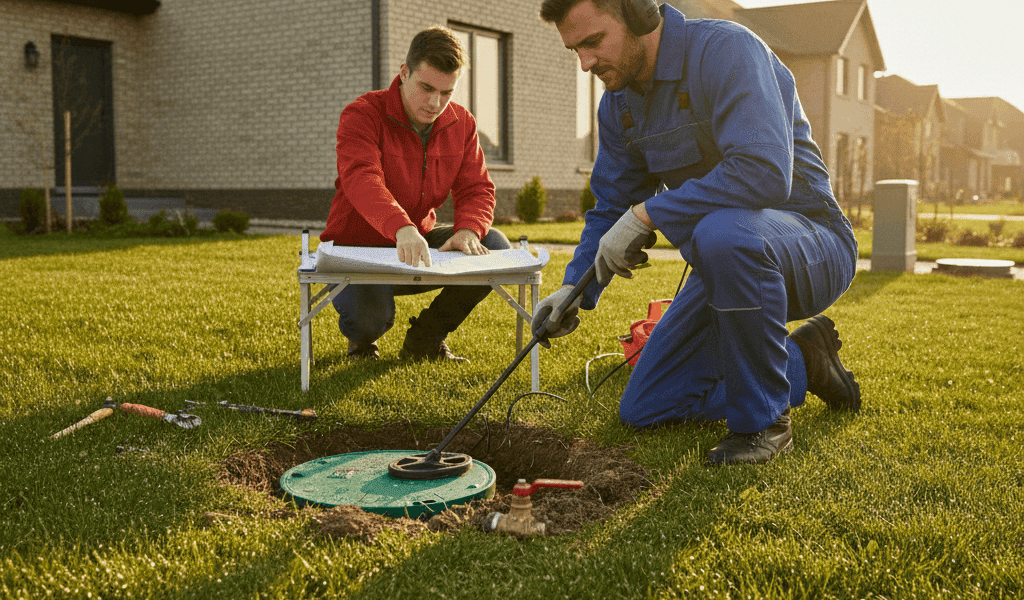
Sometimes, the main shut-off valve is outside your home. It might be in an underground box near your property line, often marked “water meter” or “curb stop.” This outside valve is technically the utility company’s responsibility. However, knowing its location is still helpful for absolute emergencies if you cannot access or operate your interior valve. I find that most homeowners prefer to deal with the interior valve first.
Inside the House
When you look inside, focus on utility areas. Check places like the laundry room, water heater closet, or even under a kitchen sink if the main line enters there. The valve will be on the lowest level of your house where the main water pipe first appears. I have seen them tucked away in corners, so you might need to do a bit of looking around. Make sure to move any stored items that might be blocking your view.
The main shut-off valve is often a ball valve with a lever handle, which turns a quarter turn to open or close. Other times, it might be a gate valve with a round, wheel-like handle that you turn many times. The lever type is quicker to operate in an emergency. It is important to know which type you have.
Outside the House
For outdoor valves, you are looking for a metal or plastic box, usually flush with the ground. It is often located between your home and the street, close to the curb. You might need a meter key or a large wrench to open the cover. Inside, you will see your water meter and likely two valves. One is typically for the homeowner and one for the utility company. It is good practice to locate this even if you do not plan to use it regularly.
Be careful when operating an outdoor valve, especially the utility company’s side. It is always best to use your interior main shut-off valve if possible. If you must use the outside valve, always proceed with caution. We never want to accidentally damage public infrastructure or cause further issues.
Tools and Safety Measures for Operation
Before you even try to operate your main water valve, gather a few simple tools. Having them ready saves valuable time during a stressful leak or burst pipe situation. I always recommend having a sturdy adjustable wrench on hand. Some older valves can be stiff or partially seized, and a wrench can provide the necessary leverage to turn them. A flashlight is also essential, especially if your valve is in a dimly lit basement or crawl space. You want to see clearly what you are doing.
Safety should always be your top priority. When you turn off the main water valve, be careful not to overtighten it or force it too much. Old valves, especially gate valves, can sometimes break if too much pressure is applied. If the valve feels stuck or extremely difficult to turn, it might be best to call a professional. We would rather you be safe than risk a bigger plumbing problem. Always wear gloves if you think the valve might be dirty or rusty.
Here are some items I suggest having ready near your main shut-off valve:
- An adjustable wrench
- A flashlight or headlamp
- Work gloves
- A bucket or old towels for drips
- Your phone with emergency contact numbers, including a plumber
Having these items accessible means you can react quickly and effectively when every second counts.
Step-by-Step Guide to Shutting Off Your Main Water Supply
Once you have located your main water valve and gathered your tools, the next step is to practice turning it off. This is not something you want to do for the first time in a panic during an actual emergency. I strongly advise performing a test run during a calm moment. This way, you know exactly what to expect.
First, make sure everyone in your household knows you are doing this. Let them know the water will be off for a short time. Then, turn the valve slowly. If it is a ball valve with a lever, simply turn the handle 90 degrees until it is perpendicular to the pipe. For a gate valve with a round handle, turn it clockwise until it stops. This might take several full rotations. Be firm but gentle so you do not damage the valve stem.
After you have closed the valve, check a faucet inside your home. No water should come out. This confirms that the main supply is indeed shut off. Once you have confirmed this, you can then reopen the valve just as slowly. Turn the lever back until it is parallel with the pipe, or turn the gate valve counter-clockwise until it stops. This practice run will build your confidence for when it truly matters. We want you to feel prepared and capable.
Testing the Valve After Shut-Off
Once you have closed the main valve, go to the lowest faucet in your home, like a basement utility sink or an outdoor spigot. Open it fully. This releases any residual water pressure in the pipes. If no water comes out, you know the main valve is working correctly. Then, open an upper-floor faucet to drain the rest of the water from the system. This helps clear the lines. You can then close all faucets before turning the main water valve back on.
I always tell people that regular testing is key. If you test the valve once a year, it helps prevent it from seizing up. You might also want to contact a local plumbing professional for help with finding your main water shut-off valve or if the valve is old and difficult to turn. A professional can assess its condition and recommend if it needs repair or replacement to ensure it operates smoothly when you need it most.
What to Do After Shutting Off the Water
When you have successfully turned off your main water supply, the immediate crisis might be over. However, your work is not quite finished. The next steps are important for mitigating damage and resolving the underlying issue. I always recommend addressing any standing water first. Use old towels, mops, or a wet/dry vacuum to remove water from floors and cabinets. This helps prevent further damage to your home’s structure and belongings. The quicker you get rid of the water, the less chance there is for mold or mildew to develop.
After managing the water, assess the source of the problem. Is it a burst pipe, a leaking appliance, or something else? Knowing the source helps you determine if it is a repair you can handle yourself or if you need to call a professional plumber. For anything beyond a simple fix, contacting a qualified plumber is the best course of action. They have the expertise and tools to diagnose and repair complex plumbing issues safely and efficiently. We know plumbing can be complicated, so do not hesitate to reach out for help.
While you wait for a plumber, make sure to ventilate the affected area. Open windows and use fans to dry out the space. This is another crucial step in preventing mold growth. Even a small leak can lead to big moisture problems if left unchecked. Taking these actions promptly after shutting off the water will minimize long-term damage and help your home recover faster.
Professional Assistance and Maintenance Tips
While locating and operating your main water valve is a valuable skill, some situations call for professional help. If your main shut-off valve is old, corroded, or difficult to turn, trying to force it could cause more problems. It might break the valve or damage the pipe, leading to an even bigger emergency. In these cases, I strongly recommend calling a licensed plumber. They can inspect your valve, perform necessary repairs, or replace it if needed. This ensures it functions reliably when you need it most.
Preventive maintenance is also key to a healthy plumbing system. Regularly inspect visible pipes for any signs of corrosion, leaks, or drips. Even small drips can become major issues over time. If you notice any issues, address them promptly. You should also consider having a plumber perform an annual inspection of your entire plumbing system. This can catch potential problems before they escalate into costly emergencies. We see many homeowners save money in the long run by being proactive with their plumbing care.
Here are some simple maintenance tips I share with homeowners:
- Test your main water shut-off valve once a year to ensure it turns easily.
- Insulate exposed pipes, especially in unheated areas like basements or crawl spaces, to prevent freezing.
- Avoid using harsh chemical drain cleaners, as they can damage pipes over time.
- Know the age of your water heater. Most last 8-12 years, and replacing them preventatively can avoid leaks.
Being attentive to these details can help keep your water system running smoothly for years to come.
Conclusion: Stay Prepared and Protect Your Home
Understanding how to locate and operate your main water valve is a crucial skill for every homeowner. I cannot stress enough the importance of being prepared for plumbing emergencies. A quick response can mean the difference between a minor inconvenience and extensive, costly water damage to your home and belongings. We have covered the common locations to search for your valve, the simple tools you might need, and a clear guide on how to safely shut off your water supply. Remember that regular practice and maintenance are essential for ensuring your valve works smoothly when you need it most. Do not wait for a crisis to strike. Take the time today to find your main water valve, test it, and educate everyone in your household on its location and operation. If you encounter any difficulties, or if your valve seems old and unreliable, please reach out to a professional plumber. We are always here to help ensure your home’s plumbing system is safe and functional, providing you with peace of mind. Your proactive approach to home maintenance will protect your property and prevent unnecessary stress when unexpected plumbing issues arise.