
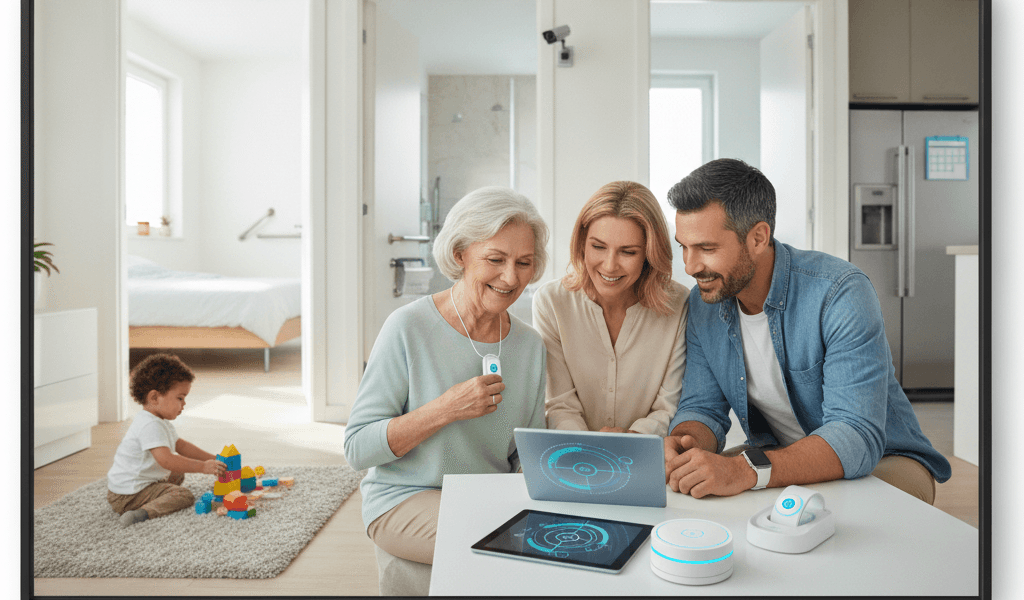

As someone who always looks for ways to improve daily life and keep loved ones safe, I often think about unexpected situations. We all want our family members to be secure. This is especially true for older adults or those with health challenges. A sudden fall or a medical emergency can happen in a flash, and being prepared makes all the difference.
I have spent time researching how to provide peace of mind for families. One area that consistently stands out is medical alert systems. These systems are not just for emergencies. They also offer a strong sense of independence for individuals and reassurance for their families.
Today, I want to share my insights on the top medical alert systems for families. I will cover how these systems work, what features are most important, and how to choose the right one for your unique family needs. My goal is to help you make an informed decision for the safety of your loved ones.
Understanding Medical Alert Systems for Enhanced Family Safety
Medical alert systems are personal emergency response devices. They are designed to quickly connect users to help during a medical crisis or other emergency. They usually involve a wearable device, like a pendant or bracelet, and a base unit. When a user presses the emergency button, it sends a signal to a monitoring center.
The monitoring center then speaks with the user through the base unit or wearable. They assess the situation and dispatch appropriate help. This could be emergency services, a family member, or a neighbor. It all happens very fast, which is critical in an emergency.
These systems are a big step up from simply relying on a phone call. Sometimes a person cannot reach a phone or speak clearly. This is where a medical alert system truly shines. It provides a direct line to assistance, regardless of the user’s ability to move or communicate. I see them as an essential tool for maintaining independence and safety.
How These Systems Connect to Help
The process starts when a user triggers the alarm. This can happen with a button press or through automatic fall detection. The signal travels to the monitoring center, which is staffed 24 hours a day, seven days a week. Trained professionals answer quickly.
They use a two-way voice system to talk to the person needing help. If the person cannot respond, the operators follow a pre-arranged protocol. This might involve calling emergency contacts or sending paramedics directly. This quick communication and response flow can save lives.
Benefits for Peace of Mind for Everyone
The biggest benefit of these systems is the peace of mind they offer. For the user, it means knowing help is always within reach. They can live independently with greater confidence. For family members, it removes a huge amount of worry. They know their loved one has a safety net.
I have heard many stories where these systems prevented serious outcomes. A fall might seem minor but for an older adult it can be devastating if help is delayed. These systems bridge that gap. They ensure timely intervention, protecting health and reducing hospital stays.
Key Features to Look For in Top Medical Alert Systems
When selecting a medical alert system, specific features stand out as highly beneficial. I always advise families to consider their loved one’s lifestyle and health needs. Different systems offer different capabilities, so choosing wisely is important.
One primary feature to prioritize is a reliable connection to the monitoring center. This connection needs to work without fail. We rely on these systems to perform during critical moments. So, signal strength and clear audio are paramount. Many modern systems now use cellular technology, which removes the need for a landline.
Another important aspect is the device’s battery life. You do not want a system that constantly needs recharging. A long-lasting battery ensures continuous protection. This is especially important for mobile devices. They need to last through a full day or longer between charges.
Automatic Fall Detection Technology
Automatic fall detection is a groundbreaking feature. It uses sensors to detect when a person falls and then automatically alerts the monitoring center. This is incredibly valuable because a person might be unconscious or unable to press their help button after a fall.
I know many families find this feature gives them immense relief. It acts as an invisible guardian. The technology is not perfect and can sometimes trigger false alarms. But the safety it provides often outweighs these minor inconveniences. Always ensure the system you pick has adjustable sensitivity settings if possible.
GPS Tracking for On-the-Go Safety
For active individuals or those who spend time outside the home, GPS tracking is a must. This feature allows the monitoring center to locate the user quickly, even if they are not at home. It is built into mobile alert devices and can pinpoint location with impressive accuracy.
This is especially helpful for people with dementia or memory issues. Their families can have peace of mind knowing they can be found if they wander. Also, if an emergency happens away from home, GPS ensures help goes to the exact spot where it is needed. We understand the importance of reliable location services in these situations.
Types of Medical Alert Systems Available for Families
The market for medical alert systems has grown significantly. There are several types to choose from. Each type serves different needs and lifestyles. Knowing the differences helps families select the best fit for their loved ones.
I usually categorize these systems into three main types. These are in-home systems, mobile systems, and hybrid solutions. Each one has its own set of advantages. Considerations like where the person spends most of their time and their activity level will guide your choice.
For example, someone who rarely leaves their house might do well with an in-home system. However, a more active individual would benefit from a mobile or hybrid device. Understanding these distinctions is key to providing optimal safety and support.
In-Home Medical Alert Systems
In-home systems are designed for use within a person’s residence. They typically consist of a base unit connected to a power outlet and a wearable button. The base unit usually connects via a traditional landline or a cellular connection. It has a powerful speaker and microphone for two-way communication.
These systems generally offer a wide range of coverage within and around the home. They are simple to use. They require minimal setup and maintenance. I find they are a good choice for individuals who are mostly homebound but want immediate access to help.
The range can vary, so it is important to test the wearable button in all areas of the house and even in the yard. This ensures the signal reaches the base unit reliably. Some providers even offer enhanced range options for larger homes.
Mobile Medical Alert Systems
Mobile medical alert systems provide protection wherever the user goes. These devices are smaller and often resemble a pager or a small pendant. They include built-in cellular service and GPS technology. This allows them to connect to the monitoring center and provide location data from almost anywhere.
These systems are perfect for active seniors or individuals who frequently leave their home. They are great for running errands, visiting friends, or going for walks. The ability to call for help and be located while away from home is a huge advantage. They really empower users to maintain their independence.
Many of these mobile devices also offer automatic fall detection. This adds another layer of security, especially for those who might be alone in public. For more options on portable alert devices, you can explore some of the best medical alert bracelets available today. This helps ensure help is always just a button press away, no matter where they are.
Hybrid Medical Alert Solutions
Hybrid systems combine the best features of both in-home and mobile devices. They usually include a base unit for home use and a separate mobile device for when the user is out and about. This gives comprehensive coverage for all situations.
For instance, a person might use the in-home system in their house. They then switch to the mobile device when they go to the grocery store. This flexibility means continuous protection and tailored support. It means they get the loudest speaker at home and the location tracking outdoors. We recommend these for people with varied activity levels.
Choosing the Right System for Your Family’s Specific Needs
Selecting the right medical alert system requires careful consideration. It is not a one-size-fits-all solution. Every family has unique needs, and every individual has a different lifestyle. I always encourage families to sit down together and discuss these factors openly.
First, think about the primary user. How active are they? Do they spend most of their time at home, or do they go out frequently? Do they have any specific health conditions like mobility issues, a history of falls, or memory problems? These questions are fundamental to narrowing down your choices.
Next, consider the environment. Is the home large or small? Do they have a reliable landline, or is cellular service a better option? What is the cellular coverage like in their area? All these details play a role in how effective a system will be.
Assessing the Needs of the User
I find it helpful to make a list of priorities for the person who will use the system. For someone prone to falls, automatic fall detection is crucial. If they enjoy gardening or walking in the park, a mobile system with GPS is a must. If they are tech-savvy, they might appreciate more advanced features or smart home integration.
We also need to think about ease of use. The device must be simple enough for the user to operate without confusion. Buttons should be large and clearly marked. The instructions must be straightforward. A system that is too complicated will not be used effectively in an emergency.
Budgetary Considerations and Costs
Cost is a significant factor for most families. Medical alert systems involve different pricing structures. There is often an equipment fee, a monthly monitoring fee, and sometimes activation fees. Some companies offer discounts for annual payments.
It is important to compare these costs across providers. Look closely at what is included in the monthly fee. Does it cover fall detection, GPS, or a mobile app for caregivers? Some systems might seem cheaper upfront but have hidden costs. I always recommend asking for a full breakdown of all potential charges before making a commitment. Investing in safety is important, but smart budgeting is also wise.
Integrating Medical Alert Systems into Daily Life
Getting a medical alert system is just the first step. For it to be truly effective, it must be integrated seamlessly into the user’s daily routine. I have seen that adoption and consistent use are key to maximizing its benefits. This often involves a little patience and reassurance.
Start by introducing the device in a positive light. Explain how it provides freedom and independence, not just a reminder of vulnerability. Frame it as a safety tool, much like a seatbelt in a car. It is there to protect, not to restrict. We want our loved ones to feel empowered by the technology, not burdened by it.
Make sure the wearable device is comfortable and worn consistently. A lightweight, waterproof pendant or watch is often preferred. Encourage them to wear it even when showering or sleeping. This ensures protection during common times for falls or emergencies.
Encouraging Adoption and Regular Use
Education is vital. Show the user how to press the button. Explain what happens when they do. Role-play scenarios can help. Practice pressing the button and speaking to the monitoring center. This builds confidence and reduces anxiety about using the system during a real emergency.
Family involvement can also help. Encourage family members to talk positively about the system. They can remind the user gently to wear it. A support system around the user makes a big difference in ensuring consistent use. We believe in family communication for safety.
Regular Testing and Maintenance
Just like any other safety device, medical alert systems need regular testing. Most providers recommend testing the system once a month. This ensures everything is working correctly. It also helps the user stay familiar with the process.
Testing involves pressing the button and speaking to the operator. Explain that it is a test call. Also, check the battery life regularly, especially for mobile devices. Ensure they are charged daily. We recommend keeping the base unit clear of obstructions. This helps maintain clear two-way communication. Regular maintenance guarantees the system is ready when it matters most.
Conclusion on Choosing Top Medical Alert Systems for Families
Ensuring the safety and independence of our family members, especially as they age or face health challenges, is a top priority. Medical alert systems offer a powerful solution. They provide immediate access to help during emergencies. They also give invaluable peace of mind to both users and their loved ones.
I have explored the different types of systems, from in-home to mobile and hybrid options. I have also highlighted critical features like automatic fall detection and GPS tracking. These technologies can truly make a life-saving difference. Choosing the right system means considering the user’s lifestyle, specific health needs, and your budget.
The process involves careful research and open family discussions. Remember, integrating the system effectively into daily life through encouragement and regular testing is just as important as the initial choice. By taking these steps, you can provide your family with a robust safety net. This allows everyone to live with greater confidence and less worry. I urge you to take action today. Start the conversation with your family about selecting a medical alert system that meets their needs. This investment in safety is an investment in well-being and peace of mind.